Lewis and Clark Caverns State Park

12 09 2015
Lewis & Clark Caverns State Park

Lewis & Clark Caverns State Park

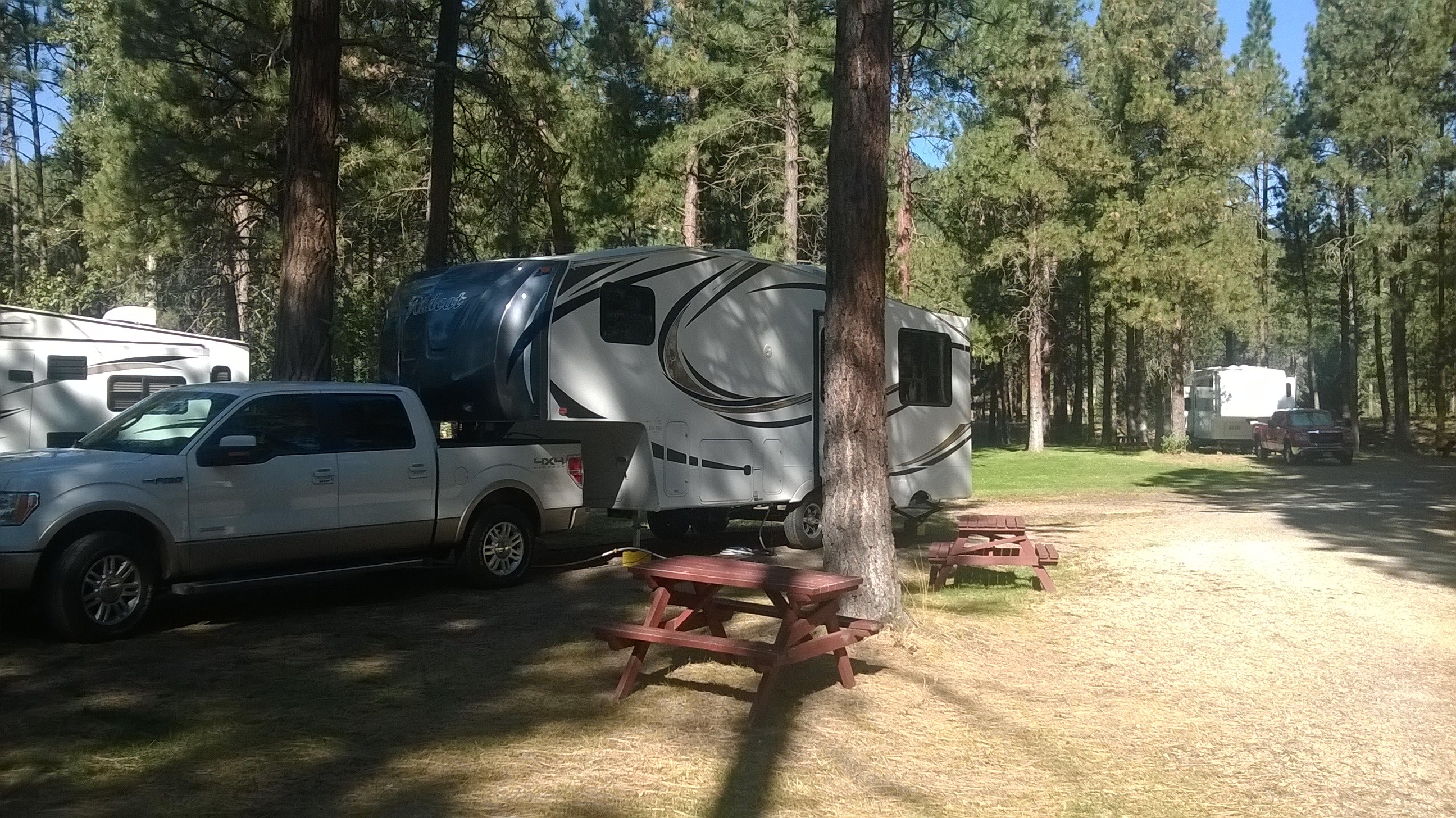
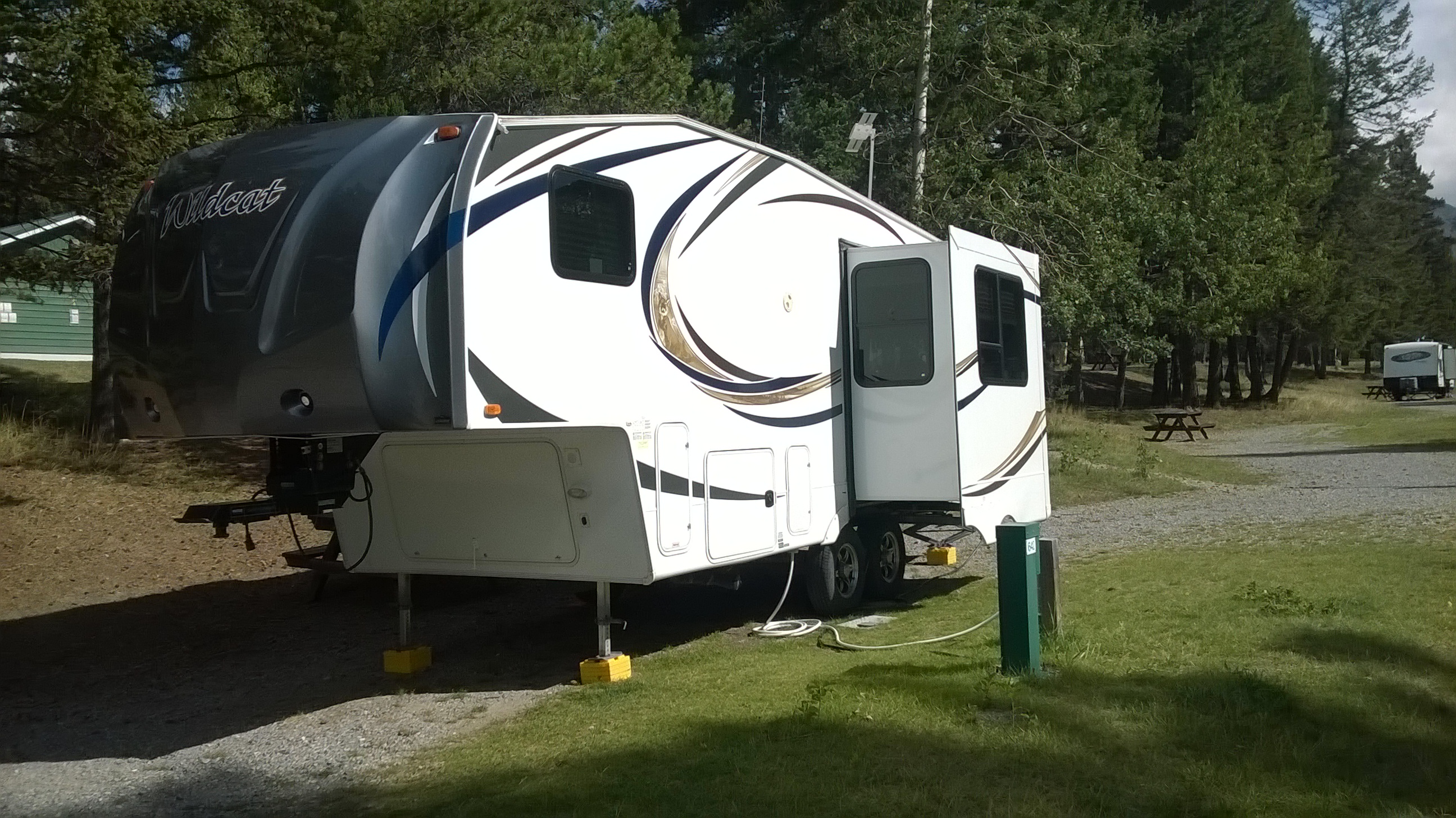
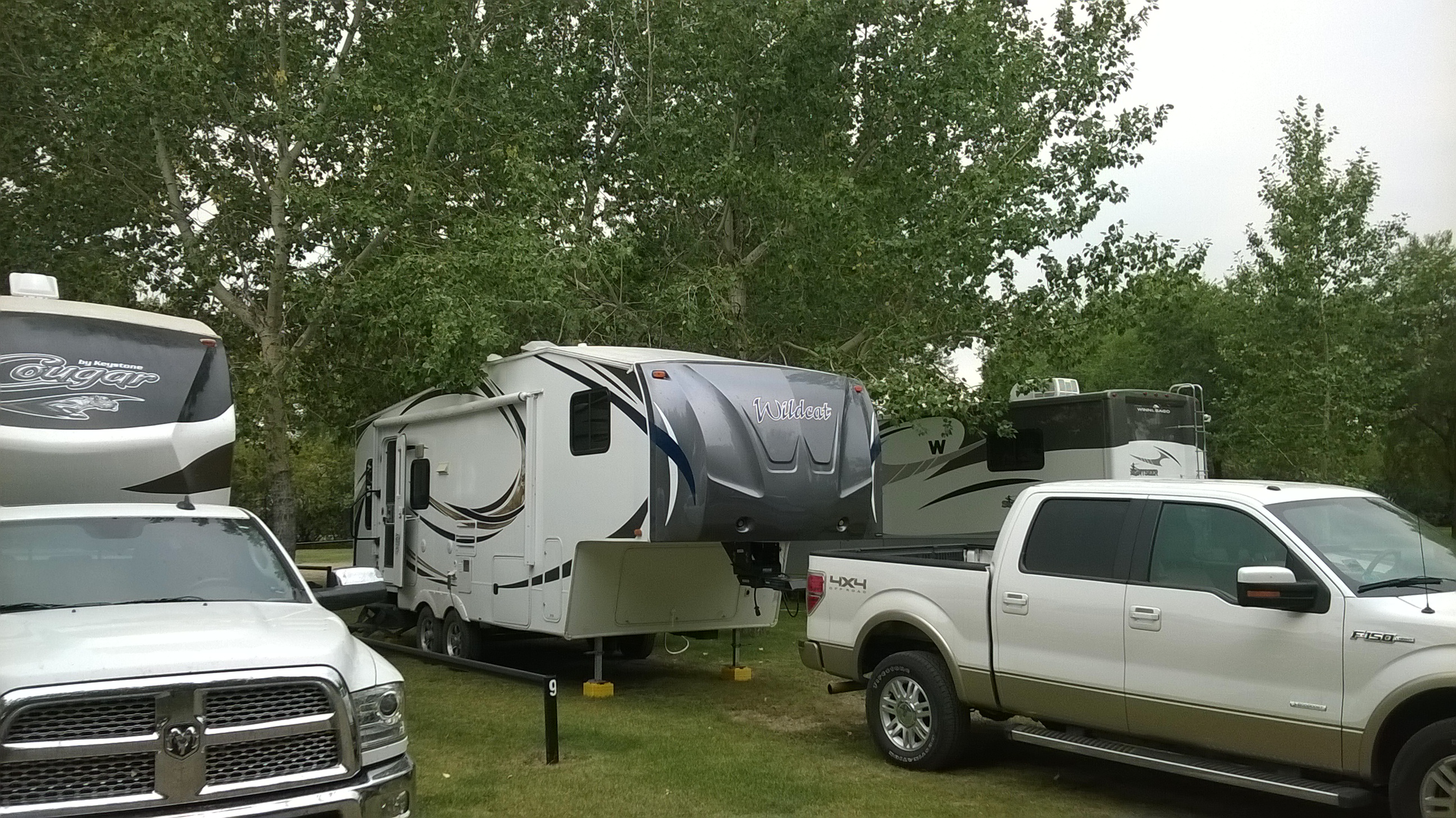
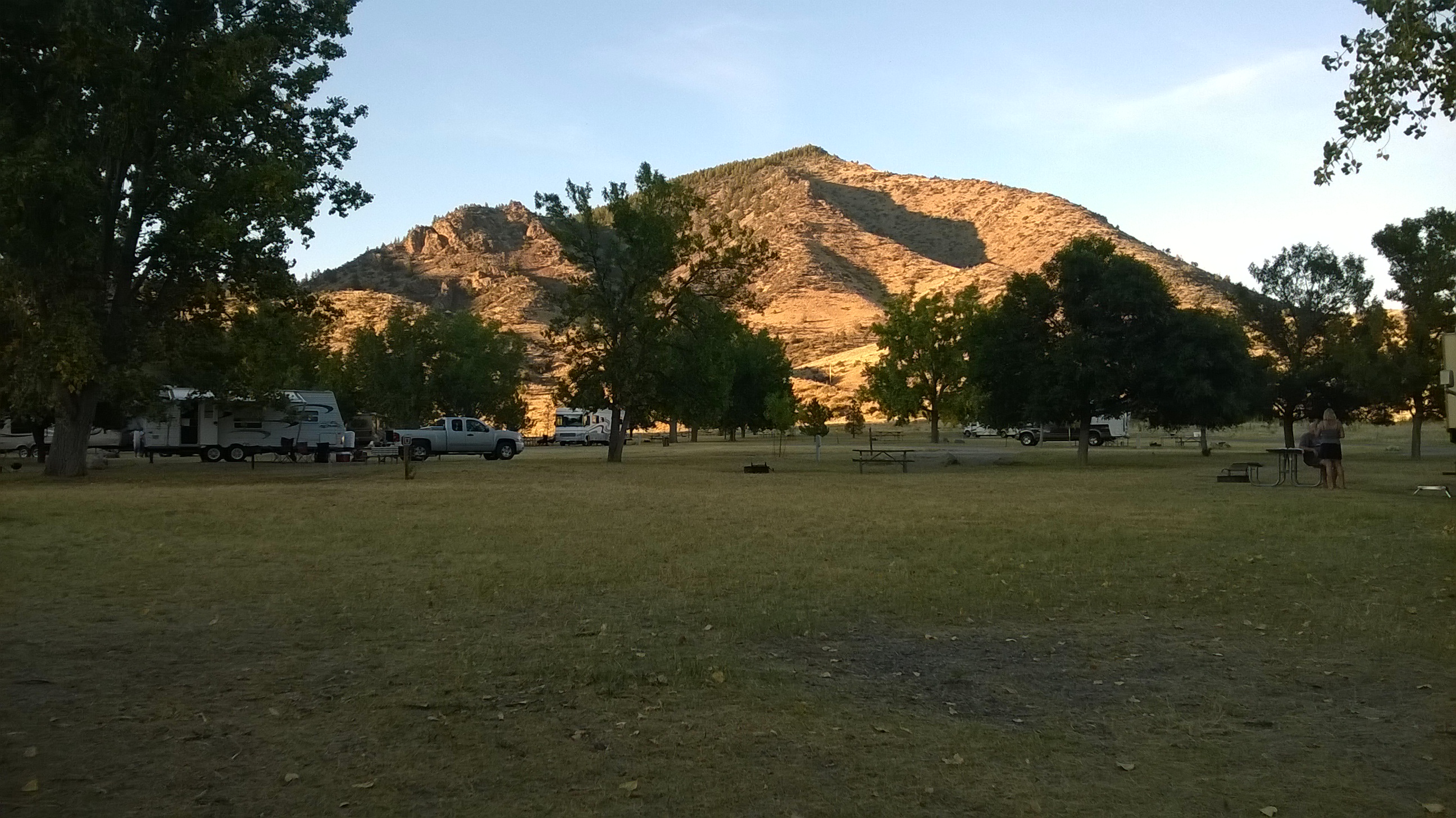
Arriving without reservations, we find only a single electric site available for 2 nights at the Lewis and Clark Caverns campground – a state park campground in south central Montana.  Set in a meadow with a few trees, only 9 of the 40 sites offer power connections.  We snag electric site P4, a pull-through site along the outside edge, and D4, a nearby site without power.  Each site also provide a picnic table and fire pit.  There is a threaded fresh water fill and dump station.  Electric sites are $34/night including the state parks nightly fee.

Of course, the attraction here are the Lewis and Clark Caverns, never actually visited by Lewis or Clark.  But, for a $12 fee, you can hike up the ¾ mile trek to the cave entrance and enjoy the history, facts and a few jokes about this beautiful underworld.  In addition to the tour, the cool 50 degrees inside the cave is a welcome relief to the hot temperatures hovering in the low 90’s outside.   The Canada Road Trip is about to come to an end as we spend one of our last nights under the dark, starry skies of “Big Sky” country.

Tomorrow we’ll be in Sheridan, Wyoming, with a quick overnight at the Sheridan KOA before arriving back home in Colorado.  On Thursday we’re off to Taos, NM – more from there…


Lolo Square Dance Center and Campground

10 09 2015
Lolo Square Dance Center Campground

Lolo Square Dance Center Campground

We’re back to Montana!  After enjoying the beautiful drive over Lolo Pass, we’re parked at the Square Dance Center just outside of Lolo, MT and about 10 miles south of Missoula, MT.  With about 60 sites scattered through a tall pine forest, most sites offer electric and water, those designed for long term use also provide sewer hookup.  Unique about this center is the large dance hall accommodating up to 30 “rounds” of dancers with custom maple flooring and a powerful sound system.  The free WiFi worked adequately, and T-Mobile service was available.  There’s also an 18 hole wiffleball golf course and waking trail encircling the campground.  Our sites also provided a cable connection with about 24 channels of TV.

Tomorrow we continue across Montana, with a planned stop at Lewis and Clark Caverns about half way in between Butte and Bozeman.  More from there…


Hell’s Gate State Park

9 09 2015
Hells Gate State Park

Hells Gate State Park

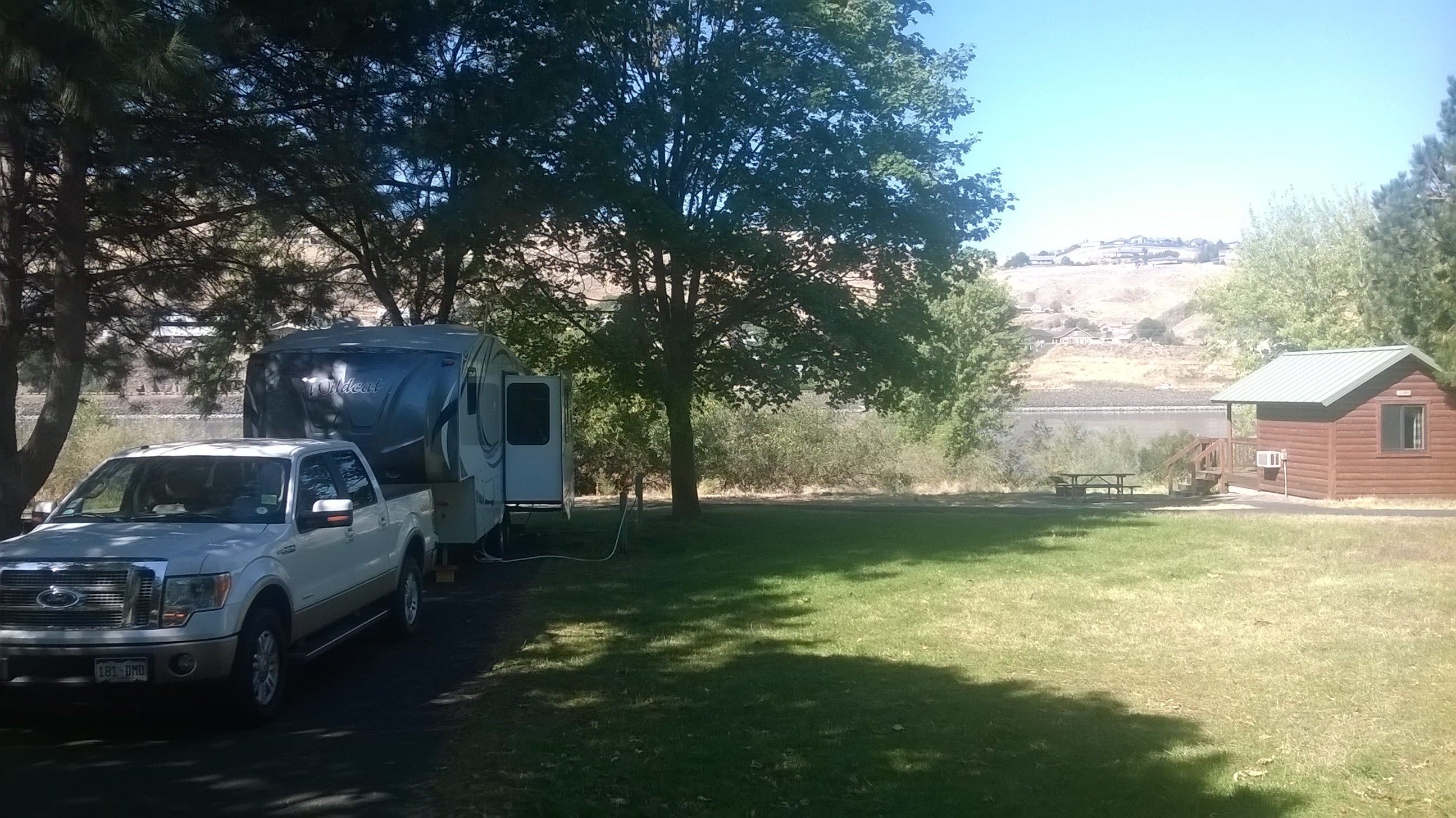
We’re just south of Lewiston, ID – along the Snake river in Hell’s Gate State Park, a welcome refuge of tall shade trees and well irrigated parkways.  RV sites provide electric and water and there’s a dump site available.  There are plenty of over-the-air TV channels from nearby Lewiston and Spokane.  Organized in 3 loops, this campground provides about 90 spacious and shady sites along with 8 riverside cabins.  The State Park is at the entrance to Hell’s Gate, the deepest canyon in North America.  There are numerous tour companies nearby that offer jet boating excursions into the canyon.

Tomorrow we’ll continue west along the Lewis and Clark trail, over Lolo Pass and into Montana.  More from there…


Grand Coulee, WA

9 09 2015
The Grand Coulee

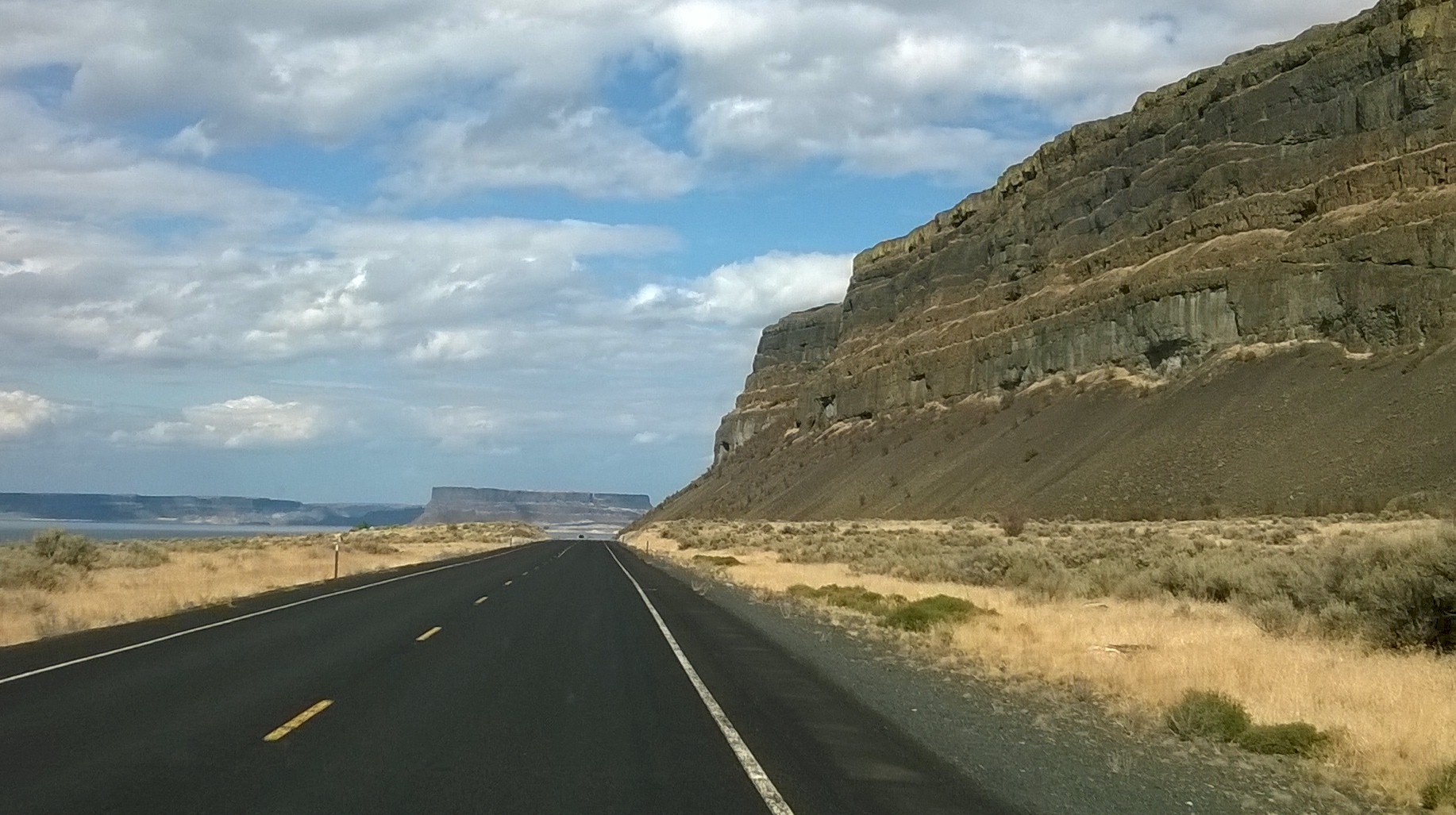
The Grand Coulee – Steamboat Rock

We’re about 10 miles south of Electric City, WA and about 14 miles south of the famous Grand Coulee Dam on the Columbia River.  After spending 2 night in the North Cascades, we once again have a 2 night stay at Grand Coulee.  We’ll do some laundry, resupply from the local Safeway and attend the laser light show at the dam.

Steamboat Rock State Park hugs the shores of Banks Lake, a 27 mile long irrigation reservoir that is supplied with water from the Columbia River via a huge pumping station next to Grand Coulee Dam.  The park includes 3 campsite loops, a large beach and day use area, boat launches and a concession stand.   We’re parked on the Bay Loop in sites B18 & B19, both back-in sites with full hookups.  With almost constant irrigation, this park boasts beautiful, lush green belts around all of the sites.  All roadways, bike paths and parking areas are paved, with a gravel area beside each site with a picnic table and fire pit.

This 60 mile long ancient river bed – the “Grand Coulee” – has a fascinating history. Formed about 18,000 years ago, this huge scar was caused when water from Lake Missoula was released from behind a melted ice “plug”.  As the 2000 foot high wall of water rushed across the Columbia Basin it stripped away soil, cut deep canyons and deposited soils offshore from modern day Portland, OR.  This cycle was repeated many times during the Ice Age.

At the Grand Coulee Visitor Center, we’re reminded of how huge this dam and the overall Columbia River Project really is.  Grand Coulee has a capacity of nearly 9,000 megawatts of electricity making it the largest hydro-electric project in the US and 6th largest in the world.  Irrigation is supplied to over 600,000 acres of farmland.  The dam is constructed with over 12 million cubic yards of concrete, making it one of the largest man-made structures in the world.  The laser light show on Tuesday is a bit underwhelming – the light and sound show technologies seem to have left Grand Coulee behind.  They also offer dam and power plant tours during the day – next time we’ll take in a tour instead.

After Grand Coulee, we’ll continue west through Lewiston, ID to Hell’s Gate State Park.  More from Idaho…


Marblemount and the North Cascades

6 09 2015
Alpine RV Park, Marblemount, WA

Alpine RV Park, Marblemount, WA

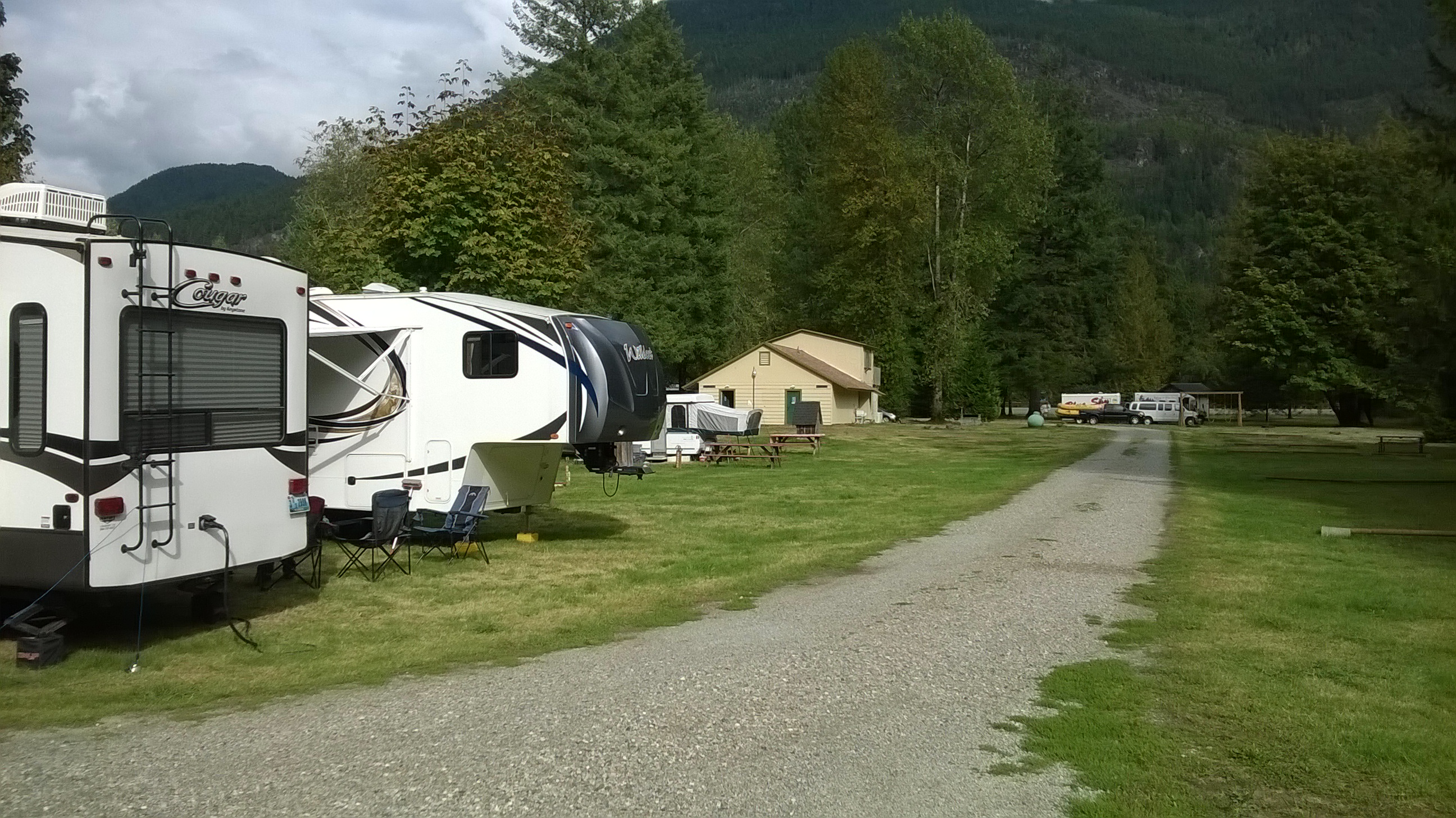
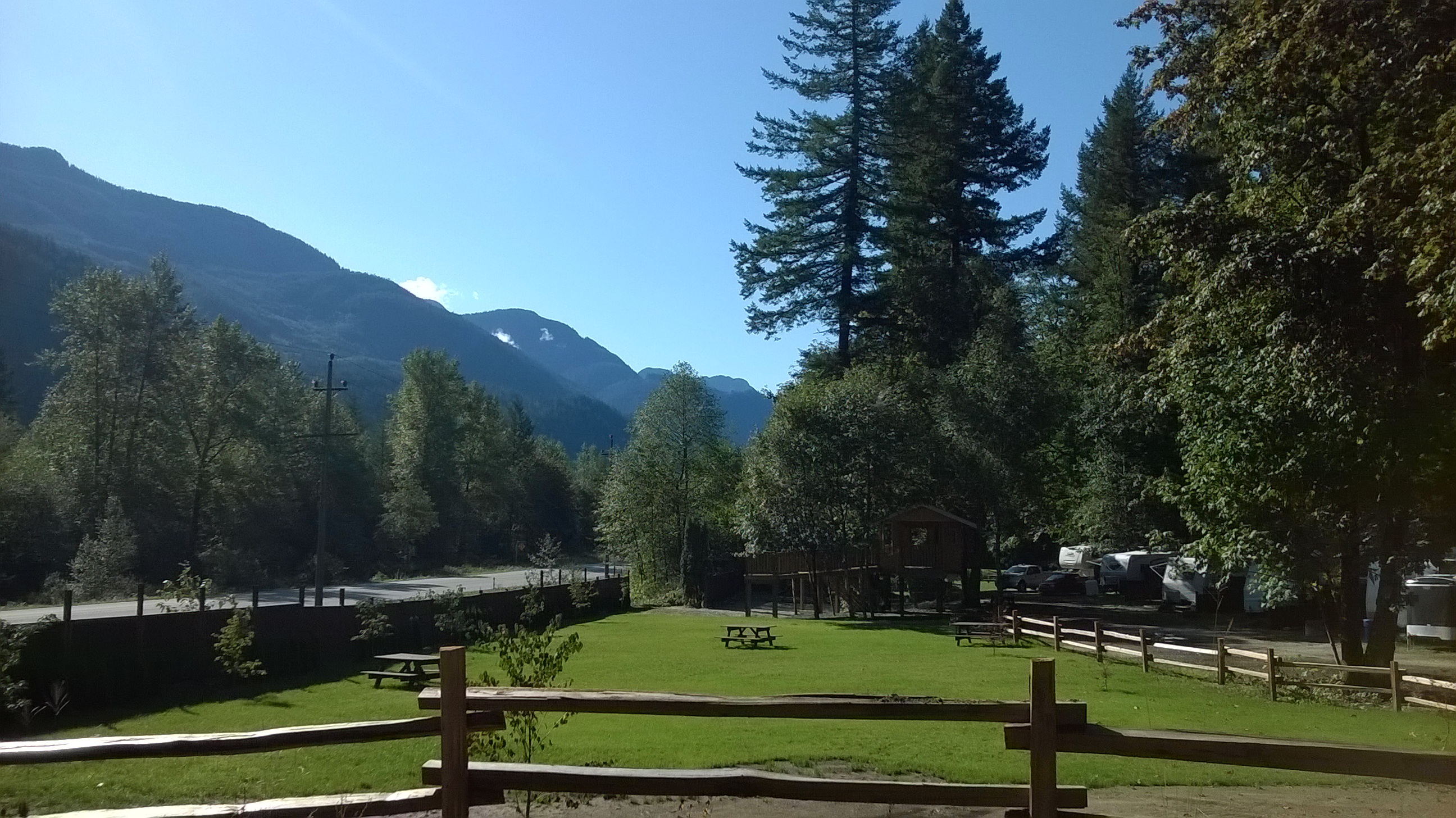
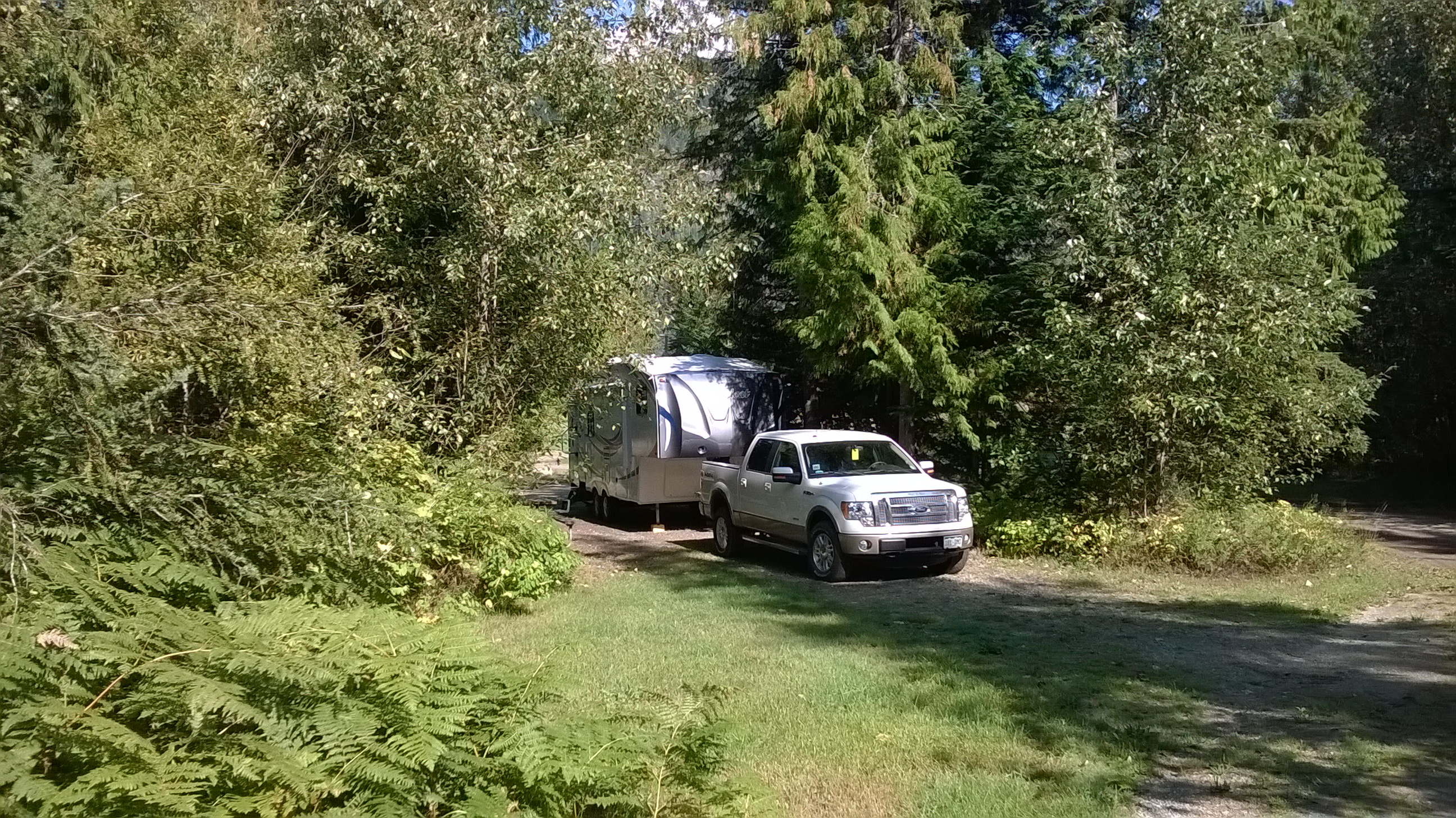
After leaving Hope, BC, we proceeded to the Huntingdon/Sumas border crossing.  The Labor Day Weekend traffic caused about an hour’s worth of backup at the border, but once through the checkpoint, we had no traffic on Highway 9 traveling south through the farmlands of western Washington.  A left turn on Highway 20 takes us to Mablemount, and the Alpine RV Park.  Set on the outskirts of this mountain community, the park is a small oval with grassy spaces and 50/30/15 amp electric service, water taps and sewer hookups.  At $15/night with Passport America discount, plus an additional $30 for the second night, this may be the most reasonable place we’ve stayed.  The park also provides a small laundry room and a bath/shower house.  The tall trees and mountains surrounding the area make satellite set-up challenging but achievable with the correct site selection.  There is no T-Mobile service, but the Verizon broadband works well.  And, no over-the-air TV that we find.  With electrical problems affecting several sites, and our 30A breaker clicking off once, this park appears to be due for some deferred maintenance and TLC.

We’re here in Marblemount for two days as we explore the nearby North Cascades National Park.  This is the last town along Highway 20, the North Cascades Highway, that escaped fire damage by the wildfires of this very dry season.  Newhalem, about 15 miles to the east was evacuated during the worst of the fires and the damage is noticeable at the National Park Visitors center here.  After a stop at the Visitors Center, we continue all the way to Ross Lake stopping along the small trails that provided overlook points for the 3 hydroelectric dams here, Gorge, Diablo and Ross.  Owned and operated by the City of Seattle, these three plants provide up to 20% of Seattle’s electrical needs.

Tomorrow we’ll continue up and over the North Cascades highway through Twisp and Okanogan, two of the eastern slope communities heavily affected by the wildfires that have so far burned over 130,000 acres and claimed the lives of 3 firefighters.  Our next stop is Grand Coulee dam – more from there…


Hope, British Columbia

5 09 2015
Emory Bar RV Park

Emory Bar RV Park

Good Morning from Hope, BC

We’re parked at Emory Bar RV Park, in the Frasier River Valley, and about 10 miles from the small town of Hope, BC.  We left the Trans Canadian Highway at Kamloops in favor of a more direct route via Highway 5.  However, arriving at Hope, we’re back on Highway 1 for the short drive into the Valley.

Unfortunately with the highway comes the Canadian Pacific rail route. And, along this portion of the line, the need for plenty of power for the steep inclines to Kamloops.  The longer freight trains have 3 engines pulling, 1 center engine and at least 1 rear, pushing engine.  Powering through this narrow canyon, the trains first produce a low ground shaking rumble, followed by a few piercing whistles,  then a speech stopping roar as the triple engines, then the squealing wheels of the cars and finally the “pushers” make their way past.   All in all, quite a distraction from anything that you’re doing outside – and not all that good for sleeping inside either.  Those in our party reported somewhere between a few trains per hour to a few trains overnight – so obviously someone was able to sleep.

Emory Bar is a unique RV park.  The upper terraces, apparently for long term residents, offer beautiful sunny spots well protected by tall tree hedges.  The lower lots, seemly for shorter term residents, are set in the dense forest closer to the main highway.  Our sites provide electric and water, some others are dry, and many offer full hookups.  There is adequate T-Mobile service here, no through-the-air TV signals.  The on-site Hope River General Store is an interesting diversion.  Stocked with unique tourist gift items, a deli counter, plenty of food items, great  fresh fruits and vegetables and even a small restaurant.

We’re spending one night here before crossing the border back into the US.  More from Mablemount, WA, our first stop back in the states…


The Houseboat Capital of Canada

3 09 2015
Sicamous KOA

Sicamous KOA

We’ve just parked at the Sicamous KOA.  Situated on the Trans-Canadian highway, this is perhaps the nicest KOA we’ve enjoyed.  Set in a grove of huge old cedar and pine trees, the owners have done a great job of carving out very private and cozy RV sites with full hookups.  Complete with a swimming pool, store and cabin rentals, this campground is a bit on the rustic side, exactly how a place in the Canadian Rockies should be.

With over 600 miles of Shuswap Lake shoreline, the small town of Sicamous bills itself as the Houseboat Capital of Canada.  With beautiful tree covered mountains all around, Sicamous is certainly different than the Houseboat Capital of the US, Lake Powell. Shuswap Lake, the name derived from the First Nation people that hunted buffalo here,  is made up of 4 “arms” in roughly the letter “H”.  With over 120 square surface miles, the lake is one of the largest in British Columbia.  As with other large lakes, Shuswap enjoys a lake monster legend, this one affectionately named “Suswaggi”.   As with nearly all other places along Highway 1, we have excellent T-Mobile cell service here, but no over-the-air TV.  There is advertised campground provided WiFi, but we find none at our remote sites.

Tomorrow we’ll continue on Highway 1 to Hope, BC…more from there.


Banff National Park

2 09 2015
Tunnel Mountain, Trailer Court, Banff NP

Tunnel Mountain, Trailer Court, Banff NP

Good Morning from a frosty Banff!

It’s in the 30’s this morning in the Tunnel Mountain campground.  One of the largest campgrounds in Banff National Park, Tunnel Mountain includes Village I with over 600 sites, Village II with nearly 200 sites and our home for the last 3 nights, Trailer Court with about 300 spaces.  Nearby are nearly 400 sites at Two Jack.  And, just down the road in Lake Louise are an additional 180 hard-side sites and 200 soft-side/tent sites that are enclosed in an electric fence.

The sites here are organized on either side of 8 long rows.  All sites are gravel pull-through with water, sewer and 15/30 amp electric on a small grass island along the road.  There’s also a picnic table at each site.  In between every other row is a shower/bathroom building.  Most of the sites are shaded by the tall pine forest and don’t provide access to southern skies for satellite viewing.  There’s no highway noise in these campsites, but you will hear a train whistle from tracks that run to the north of downtown Banff.  Internally all traffic enters at the low number sites in the “A” section.  Booking sites on the far end, in the “C” section will provide least traffic.  There are trash bins and lights at each of the shower house buildings which might prove bothersome.  Overall this was a good experience – rather “RV Park-like” but still with a back-woods feel (even though you are here with nearly 1100 other campers).

Arriving mid-day on Wednesday, we’d had tow vehicle problems ever since leaving Kinbrook Island. A stop at a local Ford dealership in Strathmore yielded nothing – they were over-booked and had a technician that didn’t show up for work.  Continuing through Calgary, we contacted Bow Valley Ford in Canmore.  Not only are they able to take a look at the truck, they are able to get diagnostics run before our scheduled appointment on Wednesday.  And, repairs had been made by late on Wednesday, allowing us to continue on our scheduled route.  Thanks to Kevin and everyone in the Service Department at Bow Valley – you guys were great!

While waiting on vehicle repairs, we spent Wednesday exploring Banff Village.  On Thursday we drove about 2 hours north toward Jasper as far as the Columbia Icefields.  The first part of the drive was rainy and cloudy, but as we moved north the sun broke through and gave us great views of the rugged Rockies and the Glaciers along Icefield Parkway.  This is truly a drive not to be missed.

Today we’ll hitch up and continue west on Canada Highway #1, the Trans-Canada route to make the 220 mile trek over to Sicamous, BC.  More from there…


Kinbrook Island, Alberta, Canada

31 08 2015
Kinbrook Island Provincial Park

Kinbrook Island Provincial Park

Good evening from western Alberta!

Leaving Gull Lake around 11AM, we’re just on the edge of a weather front approaching from the west.  By the time we’ve crossed from Saskatchewan to Alberta, we’re seeing blue, sun filled skies and long distance views unobstructed by smoke haze.  This is the first time since leaving Denver 6 days ago that we’ve enjoyed a haze-free day.  Hopefully the fires in the western state are calming down.  Along with these clear skies, we’re unfortunately driving directly into a strong head wind increasing our consumption of $3.30USD/gallon gasoline.

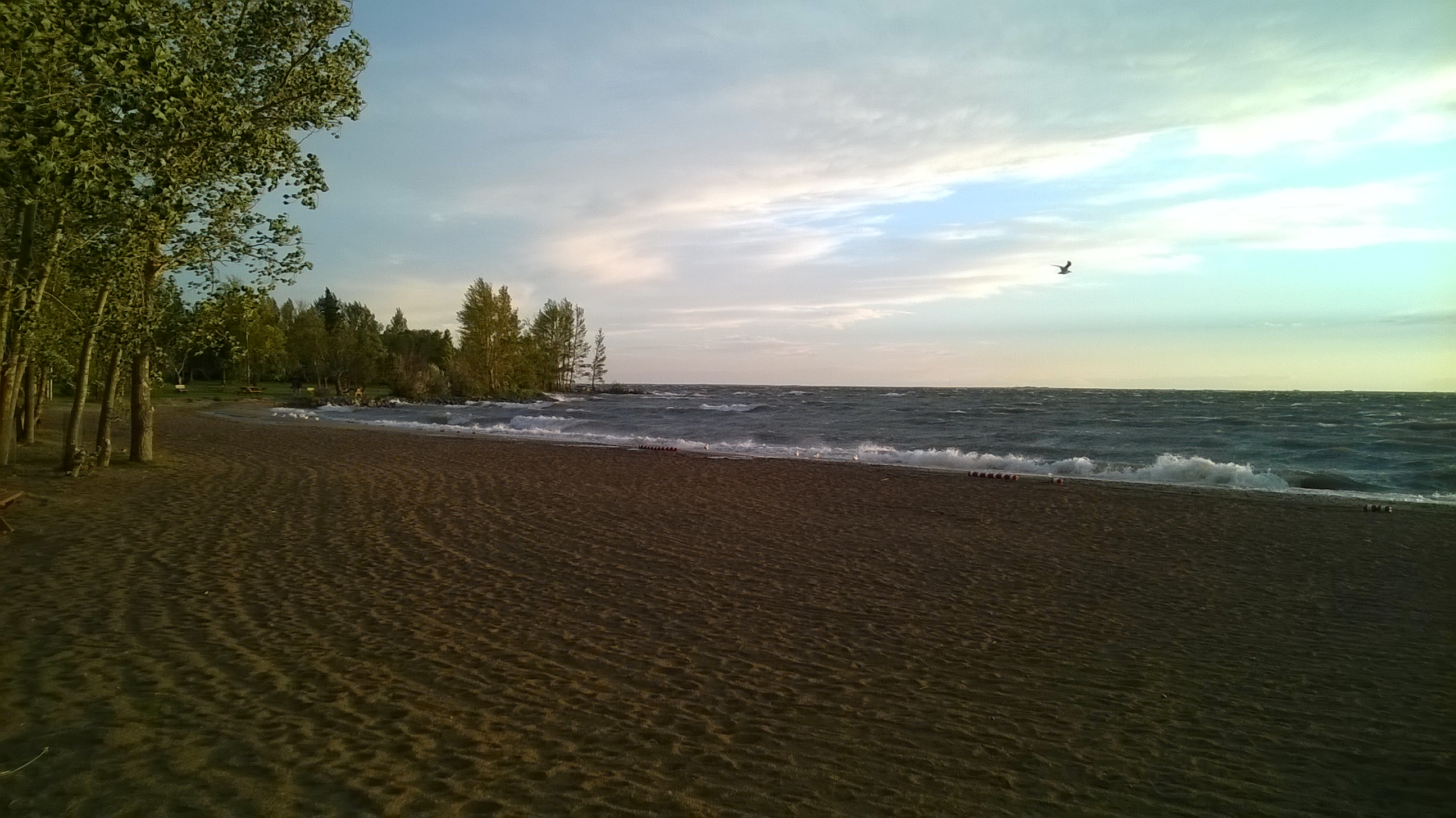
After a bit of a navigation snafu which lead us down about 20 miles of dusty gravel roads, we arrive at Kinbrook Island Provincial Park.  Set on the banks of Lake Newell, the park features large gravel beach areas, day use/picnic areas and about 150 camp sites.  The sites are organized around 8 loops, each with restroom, trash and a water faucet in the center.  Sites are nice and spacious with most providing  good shade and privacy.  Loops G, H, I provide 15/30 amp electric service.  There is a dump station and water fill at the park’s entrance.  There’s a clean shower/laundry house near the “G” loop and a small concession stand on the beach.  We’re parked in sites H-123 and H-125 with the beach out our back windows.  Corner sites #114-#116 also look very nice.

With the wind continuing to howl into the evening we won’t get much exploring done.  Tomorrow we continue northwest through Calgary and on to Banff.  We have 3 nights at the Tunnel Mountain Trailer Court campground – we’re looking forward to a few days without relocating.  More from there…


Crossing the Canadian Border

30 08 2015
Gull Lake, SK City Campground

Gull Lake, SK City Campground

We’ve arrived in Canada! After leaving Malta, MT yesterday,  we continued north along Highway 191 to Morgan, MT.  Most of this highway is a rough gravel 2 lane road due to expansion work.  At the border, we’re greeted by a friendly border agent and asked for our passports.  A few brief questions, “where are you coming from?”, “where are you going to?”, “how long in Canada?”, “any liquor in the RV?”, “any firearms?” – etc. and we were on our way.  There was no inquiry of vehicle registration or insurance paperwork that we’d prepared for.  There is apparently no longer a concern for eggs or poultry products (although we had none) that might carry the avian influenza. And no mention of entering the RV.  A typical border crossing with professional and courteous agents.  “Welcome to Canada”

Warned of the bad condition of Canadan Highway 4 from both online resources and the border agent, we opt for a route over to Highway 37 which will take us directly into Gull Lake.  The short portion of highway 18 is in bad shape – truck bouncing and cupboard rearranging rough.  But once we turn north on Highway 37, the roadway is smooth and we make good time into Gull Lake.

This tiny, sleepy town is just south of the Trans-Canadian Highway. We’re parked at the city RV campground with 26 electric/water sites and 26 non-electric tent sites organized around a small loop  The RV sites are back-in sites in the center.  If the park was full, you’d be looking into the rear window of a camper behind.  But, we’re 2 of only 5 trailers plus a couple tent campers that will be spending the night.  Self service check-in requires $25/site.  For Canadian currency there’s an ATM at the Credit Union on Conrad Ave.  This fee provides water and 15/30 Amp electric as well as a clean shower house.  There’s no over-the-air TV available in Gull Lake, but the cellular coverage by TELUS is a full 4G signal.  With our new “10 Gigs 4 All” T-Mobile data plan, we tether our laptops to our phones for amazingly fast internet access.

We’ll join the Trans-Canadian Highway today and travel west toward Calgary and Banff.  Along the way we’ll stop at Kinbrook Island Provincial Park– more from there.